
Ethical Textile Practices UK: Sustainable Practices in Modern Textile Production

In recent years, the textile industry has faced increasing scrutiny over its environmental and social impacts. As a professional involved in textile sourcing and production, I have witnessed a significant shift towards more responsible methods. This shift is not only necessary but also beneficial for long-term business sustainability. Modern textile production must embrace ethical and sustainable approaches to meet the demands of conscious consumers and regulatory frameworks. In this post, I will explore key sustainable practices in textile manufacturing, focusing on how these can be integrated effectively within the UK and global markets.
Understanding Ethical Textile Practices UK
Ethical textile practices in the UK have evolved to address both environmental concerns and labour rights. The UK textile sector, known for its innovation and quality, is increasingly adopting standards that ensure fair wages, safe working conditions, and reduced environmental footprints. These practices are essential for brands aiming to build trust and credibility with their customers.
One of the core elements of ethical textile production is transparency. Brands and manufacturers are now expected to provide clear information about their supply chains, from raw material sourcing to finished products. This transparency helps identify areas where improvements can be made and ensures accountability.
Moreover, the UK has seen a rise in certifications and standards that support ethical production. These include Fair Trade, Global Organic Textile Standard (GOTS), and OEKO-TEX, which verify that textiles meet strict environmental and social criteria. Adopting such certifications can be a strategic move for brands looking to differentiate themselves in a competitive market.

Modern textile factory in the UK implementing ethical production methods
Key Environmental Challenges in Textile Production
Textile production is resource-intensive, involving significant water, energy, and chemical use. Addressing these challenges is critical for reducing the industry's environmental impact. Water consumption, for example, is a major concern, especially in cotton cultivation and dyeing processes. Cotton farming alone accounts for a large percentage of global water use, often in regions already facing water scarcity.
Energy consumption is another significant factor. Traditional textile manufacturing relies heavily on fossil fuels, contributing to greenhouse gas emissions. Transitioning to renewable energy sources and improving energy efficiency in factories can substantially reduce the carbon footprint.
Chemical use in dyeing and finishing processes poses risks to both the environment and human health. Many conventional dyes contain toxic substances that can contaminate water bodies if not properly treated. Sustainable alternatives, such as natural dyes and closed-loop water systems, are gaining traction as safer options.
Waste generation is also a pressing issue. Textile production often results in fabric scraps and offcuts that end up in landfills. Implementing waste reduction strategies and recycling initiatives can help mitigate this problem.
What are the sustainable practices in the clothing industry?
Sustainable practices in the clothing industry encompass a range of strategies designed to minimise environmental impact and promote social responsibility. Here are some of the most effective approaches currently being adopted:
Use of Organic and Recycled Fibres
Organic cotton, hemp, and linen are cultivated without synthetic pesticides or fertilisers, reducing soil and water pollution. Recycled fibres, such as those made from post-consumer plastic bottles or textile waste, help close the loop by diverting materials from landfill.
Water and Energy Efficiency
Implementing water-saving technologies like low-water dyeing and waterless finishing processes can drastically cut water use. Similarly, upgrading machinery to energy-efficient models and integrating renewable energy sources reduce overall energy consumption.
Chemical Management
Brands are increasingly adopting strict chemical management policies, including the use of safer dyes and chemicals certified by organisations like ZDHC (Zero Discharge of Hazardous Chemicals). This reduces harmful emissions and protects worker health.
Fair Labour Practices
Ensuring fair wages, safe working conditions, and workers’ rights is fundamental. Many companies conduct regular audits and partner with suppliers who comply with international labour standards.
Circular Economy Models
Designing products for durability, repairability, and recyclability supports a circular economy. Some brands offer take-back schemes or resale platforms to extend the life of garments.
Localised Production
Producing textiles closer to the end market reduces transportation emissions and supports local economies. The UK’s textile industry is seeing a resurgence in local manufacturing, which aligns with sustainability goals.
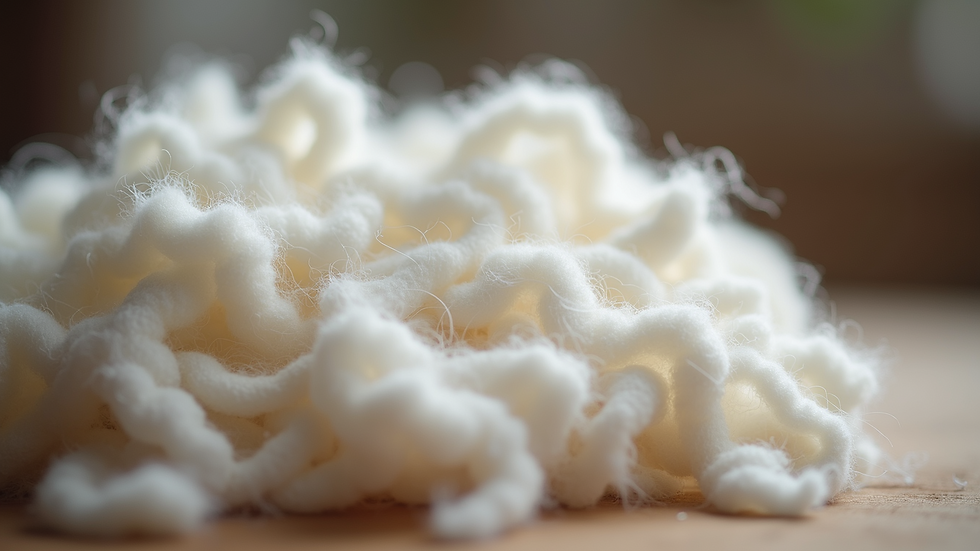
Close-up of organic cotton fibres used in sustainable textile production
Implementing Sustainable Textile Practices in Your Supply Chain
Integrating sustainable textile practices into your supply chain requires a strategic approach. Here are practical steps to consider:
Supplier Assessment and Collaboration
Begin by evaluating your current suppliers against sustainability criteria. Engage with them to understand their practices and encourage improvements. Collaboration can lead to shared innovations and cost savings.
Material Selection
Prioritise sourcing materials that have lower environmental impacts, such as organic or recycled fibres. Request certifications to verify claims and ensure traceability.
Process Optimisation
Work with manufacturers to adopt water and energy-efficient technologies. Encourage the use of closed-loop systems and waste minimisation techniques.
Transparency and Reporting
Maintain clear documentation of your supply chain activities. Use sustainability reporting frameworks to communicate progress to stakeholders and customers.
Training and Capacity Building
Invest in training for your teams and suppliers on sustainable practices. Building knowledge and skills is essential for long-term success.
Innovation and Technology
Stay informed about emerging technologies such as bio-based fibres, digital printing, and blockchain for supply chain transparency. These innovations can enhance sustainability and efficiency.
The Business Case for Sustainable Textile Practices
Adopting sustainable textile practices is not just an ethical choice; it makes strong business sense. Consumers are increasingly demanding products that align with their values, and brands that fail to respond risk losing market share. Moreover, regulatory pressures are tightening, with governments introducing stricter environmental and social compliance requirements.
Sustainability can also drive cost savings through improved resource efficiency and waste reduction. Additionally, it opens opportunities for innovation and differentiation in a crowded marketplace. By positioning themselves as leaders in ethical textile practices UK, companies can build stronger brand loyalty and attract investment.
True World Source exemplifies this approach by partnering with global fashion brands to provide sustainable, high-quality, and ethically sourced textile solutions. Their commitment to future-forward collections demonstrates how sustainability and business growth can go hand in hand.
Moving Forward with Sustainable Textile Production
The path to sustainable textile production is ongoing and requires continuous effort. It involves balancing environmental stewardship with social responsibility while maintaining economic viability. By embracing sustainable textile practices, companies can contribute to a more resilient and ethical fashion industry.
I encourage businesses to take a proactive stance, invest in sustainable innovations, and foster transparent partnerships. Together, we can create a textile industry that respects people and the planet, ensuring a better future for all stakeholders.
This overview provides a foundation for understanding and implementing ethical textile practices in the UK and beyond. By focusing on practical actions and measurable outcomes, we can make meaningful progress towards sustainability in modern textile production.


Comments